
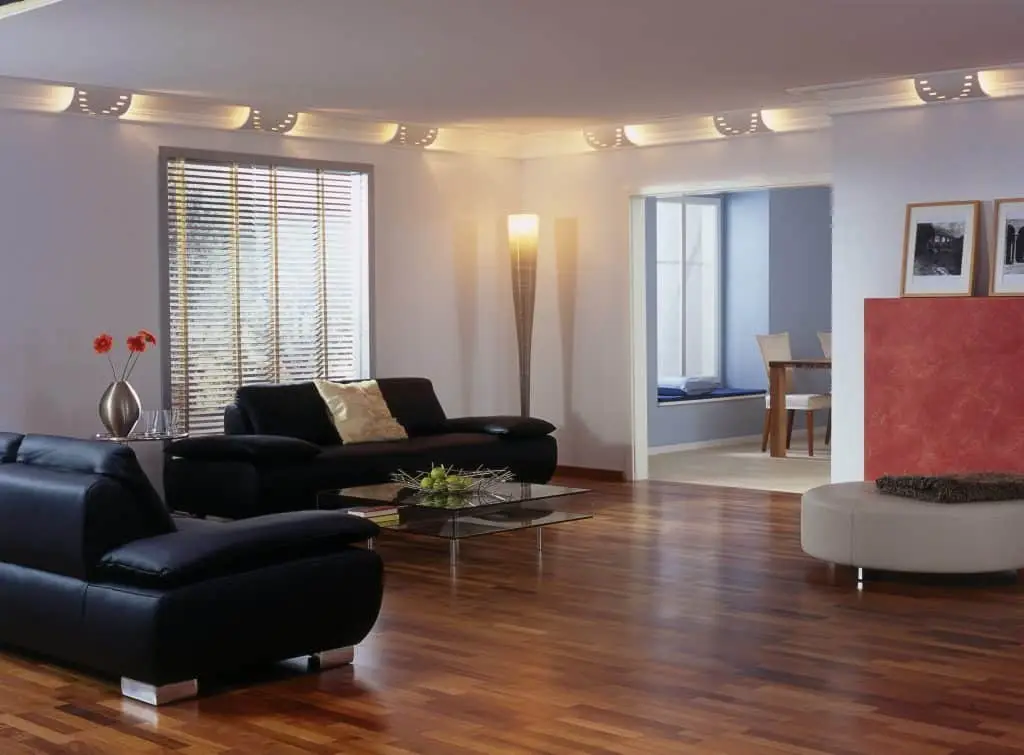
Your floors looked perfect six months ago. Now something’s wrong. Gaps appeared between boards. Strange cupping makes walking feel uneven. That gorgeous finish seems duller despite regular cleaning. Welcome to Dubai, where even expensive flooring fails if installed improperly or made from materials unsuitable for extreme conditions.
Let’s talk about the problems that plague Dubai floors and what actually fixes them. Not temporary solutions that last a month. Real fixes that professionals use to solve issues permanently.
The Expansion Gap Mystery
Wood shrinks and swells with humidity changes. In Dubai, where outdoor humidity can hit 90% while your air conditioning maintains bone-dry interiors, this movement becomes dramatic. Floors installed without adequate expansion gaps have nowhere to go when they expand, causing boards to buckle, crown, or create pressure ridges that damage walls.
Professional installers leave precise gaps around room perimeters and at transitions, hiding these spaces under trim and threshold strips. The gaps look invisible but provide crucial room for seasonal movement. When floors buckle from insufficient gaps, professionals must remove affected sections, cut proper expansion allowances, and reinstall.
This problem shouldn’t occur when experienced teams handle installation. They understand that Dubai’s environmental swings demand generous expansion space regardless of what works elsewhere. Proper technique accounts for these local conditions from the start.
Cupping and Crowning Nightmares
Cupping makes board edges curl upward like tiny boats. Crowning creates raised centers. Both result from moisture imbalance where one side of the flooring absorbs more water than the other. In Dubai homes, this often happens from concrete subfloor moisture wicking upward or air conditioning condensation trapped beneath floors.
Professionals solve cupping by first eliminating moisture sources. This might involve sealing concrete slabs, improving ventilation, or installing appropriate moisture barriers before flooring goes down. Once moisture stops, mildly cupped floors sometimes flatten as they reach equilibrium. Severe cases require sanding after stabilization.
Prevention beats correction every time. Proper substrate preparation, moisture testing, and barrier installation prevent cupping before it starts. Quality companies never skip these steps regardless of construction timelines or budget pressure. The few hundred dirhams saved through shortcuts cost thousands in repairs within months.
The Mysterious Gap Appearance
Floors installed perfectly tight develop gaps during Dubai’s dry winter months. Humidity drops, wood releases moisture, boards shrink. Come summer, gaps close again as humidity returns. This seasonal cycling frustrates homeowners who think something’s broken.
Small seasonal gaps are normal physics, not defects. Engineered wood flooring minimizes this movement through multi-layer construction, making it superior to solid wood in climates with dramatic humidity swings. Professionals explain these patterns during installation so homeowners understand what to expect.
Abnormally large gaps signal installation problems. Flooring installed when humidity was unusually high shrinks dramatically when normal conditions return. Professionals install during representative climate periods and properly acclimatize materials, allowing adjustment before installation locks everything in place. InStep’s teams factor in Dubai’s seasonal patterns when scheduling installations, ensuring materials adjust to local conditions before committing them to your floors.
Scratches and Surface Damage
Dubai’s sandy environment means abrasive particles constantly infiltrate homes despite best efforts. These particles act like sandpaper under foot traffic, wearing away protective finishes and creating visible scratches. Dark floors show damage more dramatically than lighter options.
Professional solutions start with proper finish selection. Aluminum oxide and urethane wear layers resist scratching far better than traditional finishes. Textured surfaces hide minor scratches that would show prominently on glossy floors. These choices made during initial installation save enormous headaches later.
For existing scratch damage, professionals assess whether refinishing makes sense. Engineered wood flooring has limited refinishing potential compared to solid wood, so prevention through proper finish selection matters more. Sometimes spot repairs address localized damage without full refinishing.
Entry mats, furniture pads, and regular cleaning reduce scratch accumulation dramatically. Professionals recommend specific maintenance protocols during installation rather than leaving homeowners to figure it out themselves.
Staining and Discoloration Drama
Oil spills, ink marks, water rings, and mysterious stains make floors look neglected. Different materials stain differently. What easily wipes off vinyl might permanently mark natural wood. What bleach removes from tile might ruin wood finishes.
Professional stain removal requires identifying both stain type and flooring material before applying solutions. Harsh chemicals that remove stains might also damage finishes, creating worse problems than original stains. Experienced teams know which products work safely for each situation.
Prevention through proper sealing beats stain removal every time. Quality sealers create barriers that give you time to wipe spills before they penetrate and become permanent. Premium sealers provide maximum protection without harmful VOCs that compromise indoor air quality, an important consideration for homes where families spend most of their time indoors.
Mold and Mildew Mysteries
Dark spots appearing along board edges or in corners signal mold growth. This happens when moisture gets trapped in poorly ventilated spaces or from water damage that wasn’t dried properly. Dubai’s humidity creates perfect mold conditions if moisture accumulates.
Professionals solve mold by first eliminating moisture sources. Leaky plumbing, poor drainage, or inadequate ventilation must be fixed or mold returns regardless of cleaning. Once sources are addressed, affected materials might need replacement if mold penetrated deeply. Surface cleaning only works for minor surface mold caught early.
Proper installation prevents most mold. Moisture barriers, adequate ventilation, and materials selected for moisture resistance create environments where mold can’t establish. Water-resistant underlay adds another protection layer for vulnerable areas.
Peeling and Delamination Disasters
Vinyl tiles peeling at corners, laminate layers separating, or engineered wood veneer detaching from substrate layers create ugly, dangerous flooring failures. These problems stem from adhesive failure, usually caused by poor substrate preparation, wrong adhesive selection, or installation in conditions outside manufacturer specifications.
Professional repairs require removing failed sections, properly preparing substrate, selecting appropriate adhesives for Dubai’s climate, and reinstalling correctly. Attempting DIY fixes with construction adhesive typically fails within weeks because the underlying cause wasn’t addressed.
Quality installation prevents delamination. Proper substrate preparation, adhesives selected for UAE conditions, and installation following manufacturer specifications create bonds that last decades. Companies cutting corners on these fundamentals create problems that haunt homeowners for years. InStep uses climate-specific adhesives and preparation techniques developed through years of working in Dubai’s unique environment, understanding what materials and methods actually hold up under local conditions.
Buckling and Lifting Catastrophes
Entire floor sections lifting or buckling creates tripping hazards and signals serious problems. This dramatic failure usually comes from water damage, insufficient expansion gaps, or adhesive failure. Whatever the cause, professional intervention becomes necessary immediately before damage spreads.
Professionals assess buckling causes before attempting repairs. Water-damaged floors might need moisture remediation and subfloor repair before new flooring installation. Insufficient expansion gaps require cutting proper allowances and removing material to eliminate pressure. Adhesive failure means complete reinstallation with proper products and techniques.
These catastrophic failures almost never occur with proper initial installation. They result from shortcuts, wrong materials, or inexperienced installers not understanding Dubai’s demands. This is why choosing qualified professionals matters enormously despite higher initial costs.
Fading and UV Damage
Dubai’s intense sunlight streams through large windows, fading floors exposed to direct sun. Dark woods lighten. Rich colors wash out. What looked vibrant becomes dull and uneven within years if floors lack proper UV protection.
Professional solutions include UV-resistant finishes applied during initial installation, window treatments that filter harmful UV while allowing natural light, or material selection favoring lighter colors where fading shows less dramatically. Once fading occurs, only refinishing restores original color.
Advanced finishes with UV inhibitors cost minimally more than basic finishes but prevent fading that would require expensive refinishing or replacement within a few years. This forward thinking approach saves significant money and hassle long-term, protecting your investment while maintaining the aesthetic you chose.
When to Call Professionals
Small scratches and minor wear can wait for scheduled maintenance. But buckling, cupping, mold growth, or widespread damage demand immediate professional attention. Delayed repairs allow problems to worsen, often spreading to adjacent areas and increasing eventual repair costs dramatically.
Professional assessment identifies true causes rather than treating symptoms. DIY attempts often make problems worse by addressing surface issues while underlying causes continue damaging floors. Experienced professionals solve root problems, preventing recurrence and protecting your investment.
Quality companies also provide honest assessments about whether repair makes sense or replacement becomes more cost-effective. This integrity separates professionals from companies motivated to sell unnecessary services. With 25 years of solving flooring challenges in Dubai, InStep approaches each situation by first understanding what’s causing the problem, then recommending the most practical solution whether that’s a simple repair or complete replacement.
Your floors represent substantial investments deserving proper care. When problems emerge, professional intervention fixes them correctly the first time, preventing expensive repeated repairs and protecting property values.
Understanding common problems and professional solutions helps you recognize issues early, make informed decisions about repairs, and appreciate why quality installation by experienced teams matters enormously for long-term satisfaction. These aren’t just technical details, they’re the difference between floors that serve you beautifully for decades and floors that become ongoing sources of frustration and expense.
Experiencing flooring problems in your Dubai home? Contact InStep Floors for professional assessment and proven solutions. Our 25 years of expertise solving UAE flooring challenges ensures your floors perform beautifully for decades. We specialize in hardwood floors in Dubai, engineered wood flooring, wooden parquet Dubai, and complete flooring Dubai solutions.